

Starting a business is exciting, but turning an idea into a profitable company requires careful planning. One of the most important parts of this journey is startup booted financial modeling. A financial model helps entrepreneurs understand how their business may perform in the future by estimating revenue, expenses, profits, and cash flow.
Whether you are launching your first startup or improving an existing business, financial modeling allows you to make smarter decisions based on realistic numbers instead of guesses. It helps you prepare for challenges, identify growth opportunities, and create a roadmap for long-term success.
In this guide, we’ll explain everything you need to know about startup booted financial modeling, why it matters, how to build one, and the common mistakes to avoid.
What Is Startup Booted Financial Modeling?
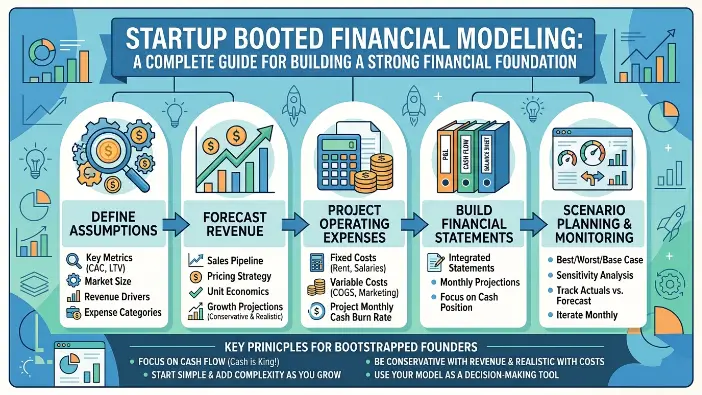
Startup booted financial modeling is the process of creating a financial plan for a startup using realistic assumptions and business data. The model predicts how the company may perform over weeks, months, or even years.
Instead of relying on assumptions alone, entrepreneurs organize important financial information into a structured model that estimates future performance. This includes expected sales, operating costs, employee salaries, marketing expenses, taxes, and profits.
A financial model acts like a roadmap. While it cannot predict the future perfectly, it helps business owners prepare for different situations and make informed decisions.
Why Financial Modeling Is Important for Startups
Every startup faces uncertainty. New businesses often have limited resources, changing market conditions, and unpredictable customer behavior. Without proper planning, even a great business idea can struggle.
Financial modeling helps founders understand how much money they need to operate, when they may become profitable, and what risks they should prepare for.
Instead of reacting to problems after they happen, business owners can identify possible challenges early and adjust their plans before serious issues arise.
Many successful startups regularly update their financial models because business conditions constantly change.
Understanding Bootstrapped Startups
Before building a financial model, it’s important to understand what a bootstrapped startup is.
A bootstrapped startup is a business that grows primarily through its own revenue and personal investment rather than relying on outside investors.
This approach requires careful money management because every expense directly affects the company’s future.
Unlike venture-funded startups, bootstrapped businesses usually focus on steady growth, profitability, and long-term sustainability instead of rapid expansion.
Because resources are limited, financial modeling becomes even more valuable.
Main Components of a Financial Model
Every startup booted financial modeling process includes several important sections.
Revenue Forecast
Revenue is the money your business expects to earn from customers.
When estimating revenue, founders usually consider factors such as pricing, expected customer growth, monthly sales, and seasonal demand.
Using realistic numbers is essential. Overestimating sales can create unrealistic expectations and poor financial planning.
Operating Expenses
Every business has expenses that must be paid regularly.
These may include office rent, software subscriptions, employee salaries, internet services, utilities, insurance, legal costs, and marketing.
Recording these expenses accurately helps determine how much money the company needs to continue operating.
Gross Profit
Gross profit is calculated by subtracting the direct cost of providing products or services from total revenue.
This figure helps entrepreneurs understand how efficiently their business generates income before considering other operating expenses.
Cash Flow
Cash flow is one of the most important parts of startup booted financial modeling.
A business may appear profitable on paper but still experience cash shortages if payments arrive late or expenses increase unexpectedly.
Positive cash flow ensures the business can continue paying employees, suppliers, and operating costs.
Net Profit
Net profit shows how much money remains after subtracting all expenses from total revenue.
This number indicates whether the startup is making money or operating at a loss.
Benefits of Startup Booted Financial Modeling
Financial modeling provides many advantages for startup founders.
One of the biggest benefits is better decision-making. Instead of making choices based on emotions, entrepreneurs can evaluate different scenarios using real financial estimates.
Financial models also help identify spending habits. By reviewing projected expenses, founders can eliminate unnecessary costs before they affect profitability.
Planning future growth becomes much easier because entrepreneurs can estimate when additional employees, equipment, or office space may become necessary.
Financial modeling also helps reduce business risk by highlighting possible financial challenges before they become serious problems.
Building a Startup Financial Model
Creating a financial model doesn’t have to be complicated.
The first step is understanding your business model. Identify exactly how your company earns revenue and what costs are involved in delivering products or services.
Next, estimate your monthly sales based on realistic market research rather than optimistic assumptions.
After estimating revenue, list every expected expense. Include both fixed costs, such as rent and salaries, and variable costs that change depending on sales.
Once revenue and expenses are organized, calculate projected profits and monitor monthly cash flow.
Finally, review the model regularly and update it whenever your business grows or market conditions change.
Common Mistakes Entrepreneurs Make
Many new business owners make similar mistakes when creating financial models.
One of the biggest errors is assuming sales will grow much faster than reality. While optimism is important, unrealistic projections can lead to poor financial decisions.
Another common mistake is forgetting hidden expenses. Software subscriptions, payment processing fees, taxes, maintenance costs, and customer support expenses are often overlooked.
Some founders also ignore cash flow and focus only on profits. A profitable business can still experience financial problems if cash is not available when bills need to be paid.
Failing to update the financial model is another mistake. Markets change, customer behavior changes, and business strategies evolve. Financial models should reflect these changes regularly.
Tools Used for Financial Modeling
Many startups begin with simple spreadsheet software to build their financial models.
Spreadsheets allow entrepreneurs to organize revenue, expenses, forecasts, and profits in one place while making updates whenever necessary.
As businesses grow, more advanced financial planning software may provide additional features such as automated reporting, forecasting, and performance tracking.
The best tool depends on the size and complexity of the business.
Financial Modeling for Business Growth
Startup booted financial modeling isn’t only about survival—it also supports growth.
When founders understand their financial position, they can confidently decide when to launch new products, hire employees, expand into new markets, or increase marketing efforts.
Growth becomes much more manageable when supported by realistic financial planning.
Business owners can compare different scenarios before investing significant resources, reducing unnecessary risk.
Tips for Better Financial Planning
Successful entrepreneurs develop strong financial habits from the beginning.
Review your financial model every month instead of creating it once and forgetting about it.
Keep personal and business finances separate to maintain accurate records.
Track every expense, even small ones, because minor costs often become significant over time.
Build an emergency reserve whenever possible. Unexpected expenses are common during the early stages of a startup.
Finally, make decisions based on realistic numbers rather than wishful thinking.
The Role of Financial Modeling in Long-Term Success
As startups grow, financial management becomes increasingly important.
A strong financial model helps entrepreneurs understand business performance, prepare for future investments, and identify opportunities for improvement.
Instead of reacting to financial challenges, founders can anticipate them and make strategic decisions that support sustainable growth.
Businesses that regularly review their financial data often adapt more quickly to changing market conditions.
Frequently Asked Questions
What is startup booted financial modeling?
Startup booted financial modeling is the process of forecasting a startup’s future financial performance by estimating revenue, expenses, cash flow, and profitability using realistic assumptions.
Why is financial modeling important?
It helps entrepreneurs plan for growth, manage expenses, understand cash flow, and make informed business decisions.
Is financial modeling only for large companies?
No. Small businesses and startups benefit greatly because proper planning helps reduce financial risk during the early stages of growth.
How often should a financial model be updated?
Most startups review and update their financial models every month or whenever significant business changes occur.
Final Thoughts
Every successful business begins with a strong plan, and startup booted financial modeling is one of the most valuable tools any entrepreneur can use. It transforms business ideas into measurable financial goals while helping founders understand revenue, expenses, profitability, and future growth opportunities.
Although no financial model can predict the future perfectly, it provides valuable guidance that helps startups make smarter decisions and avoid costly mistakes. By reviewing financial performance regularly and adjusting plans as the business evolves, entrepreneurs can build stronger companies capable of long-term success.
Whether you’re launching your first startup or improving an existing business, investing time in startup booted financial modeling is one of the smartest decisions you can make for a stable and profitable future.