
Technology has become such a normal part of everyday life that we sometimes forget how much it has changed the way we live. From checking the weather on a phone in the morning to controlling lights with a voice command at night, technology is now involved in many simple activities that once required more time and effort.
One term that appears frequently in modern technology is smart device. You may have heard people talk about smart phones, smart TVs, smart watches, smart speakers, smart appliances, and even smart homes. But what exactly makes a device “smart”?
A smart device is an electronic device that can connect to a network, collect or exchange information, process data, and often respond to users or its surroundings automatically. Unlike traditional electronic devices that simply perform a specific function, smart devices can often communicate, adapt, and interact with people or other devices.
In simple terms, a smart device is a device that uses technology to do more than its basic physical function.
What Makes a Device Smart?
Not every electronic device is a smart device. A traditional alarm clock, for example, can tell you the time and wake you up at a particular hour. However, it generally does not connect to the internet, communicate with other devices, or change its behavior based on information it receives.
A smart device can do much more.
Most smart devices have several important characteristics. They usually contain a processor or computer system that allows them to process information. Many can connect to the internet or another network through Wi-Fi, Bluetooth, mobile networks, or similar technologies.
Smart devices may also contain sensors. These sensors allow them to collect information about their surroundings. For example, a smart watch can collect information about movement, while a smart thermostat can detect temperature.
Another important feature is communication. A smart device may send information to another device, receive instructions from a user, or interact with an online service.
This combination of connectivity, processing, sensors, software, and communication is what makes many modern devices “smart.”
Common Examples of Smart Devices
Smart devices are no longer limited to expensive or specialized technology. They can be found in homes, offices, schools, cars, hospitals, and many other places.
Smartphones
Smartphones are probably the most familiar example of a smart device.
A modern smartphone can make calls, send messages, access the internet, take photographs, provide navigation, run applications, stream videos, process payments, and communicate with other devices.
It also contains sensors such as cameras, microphones, GPS technology, accelerometers, and other components that allow applications to provide different services.
The smartphone has essentially become a small computer that people carry with them every day.
Smartwatches
Smartwatches combine the traditional idea of a watch with modern computing technology.
Besides displaying the time, many smartwatches can show notifications, track physical activity, monitor certain health-related measurements, provide navigation, play music, and interact with smartphones.
For many people, a smartwatch provides convenient access to information without requiring them to take their phone out of their pocket.
Smart TVs
A traditional television mainly receives and displays television programs. A smart TV can connect to the internet and provide access to online services and applications.
Users can stream movies, watch online videos, browse certain services, listen to music, and sometimes control the television using voice commands.
Smart TVs have changed television from a device primarily used for broadcast programming into a connected entertainment system.
Smart Speakers
Smart speakers are another popular example.
These devices can respond to voice commands and perform tasks such as playing music, answering questions, setting alarms, providing weather information, or controlling compatible smart-home products.
Some smart speakers use artificial intelligence and voice-recognition technologies to understand what a person is saying.
Smart Home Appliances
Many household appliances are becoming connected devices.
Examples include smart refrigerators, smart washing machines, smart ovens, smart air conditioners, and smart coffee makers.
Depending on the model, these appliances may allow users to monitor or control them through a smartphone application. Some can also provide notifications or automate certain functions.
For example, a connected washing machine might notify a user when a washing cycle has finished.
Smart Security Devices
Smart security technology has also become increasingly common.
Smart cameras, video doorbells, smart locks, and motion sensors can help people monitor their homes.
A smart camera, for instance, may allow a homeowner to view a property remotely through an application. Some systems can send an alert when movement is detected.
These technologies can provide convenience and additional information, although they also raise important questions about privacy and data security.
How Do Smart Devices Work?
Smart devices generally work through a combination of hardware and software.
The hardware includes the physical components inside the device. These can include processors, sensors, cameras, microphones, memory, communication chips, and batteries.
The software tells the hardware what to do.
For example, a smart thermostat may use a temperature sensor to measure the temperature of a room. Its software can then process that information and determine whether the heating or cooling system should be adjusted.
If the thermostat is connected to the internet, it may also communicate with a smartphone application or an online service.
This process can happen quickly and often without the user needing to do anything manually.
The Role of the Internet
The internet plays an important role in many smart devices, although not every smart device needs a direct internet connection to be useful.
Internet connectivity allows devices to exchange information with online services and applications.
For example, a smart security camera may send video information to a cloud-based service. A user can then access the camera remotely using a smartphone.
Similarly, a smart speaker may connect to online services to answer questions, play streaming music, or perform other tasks.
Without connectivity, many of these advanced features would not be possible.
What Is the Internet of Things?
The term Internet of Things, often shortened to IoT, is closely connected with smart devices.
The Internet of Things refers broadly to physical objects that contain technologies allowing them to collect, communicate, or exchange data.
Smart devices are an important part of this ecosystem.
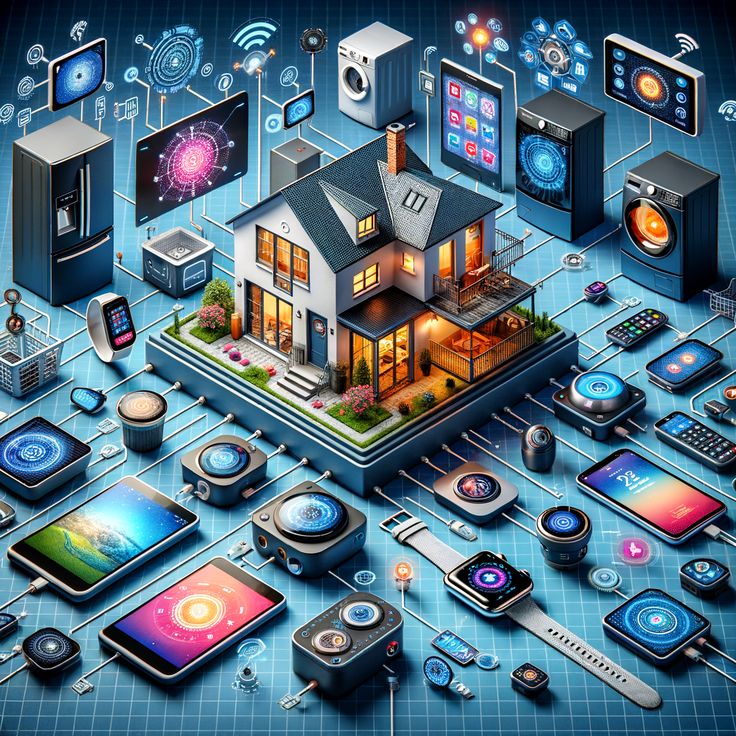
Imagine a home where a smart thermostat communicates with a smartphone, smart lights respond to commands, a smart doorbell sends notifications, and a smart speaker controls several connected appliances.
Instead of operating as completely separate products, these devices can work together as part of a connected environment.
This is one reason smart technology has become so important in modern homes and businesses.
Benefits of Smart Devices
Smart devices can offer several advantages.
Convenience
Convenience is one of the biggest benefits.
A person can control certain devices using a smartphone instead of physically interacting with each one. A smart light, for example, may be turned on or off remotely.
Automation
Smart technology can automate repetitive tasks.
A smart thermostat may adjust temperature settings automatically. Smart lights can be scheduled to turn on at particular times. Other devices can perform tasks based on programmed conditions.
Automation can save time and reduce the amount of manual work people need to do.
Remote Access
Many connected devices can be controlled from almost anywhere with an internet connection.
This can be particularly useful for security systems, home appliances, and other devices that people may want to monitor while away from home.
Information and Monitoring
Smart devices can collect useful information.
Fitness trackers can record activity levels, while smart-home systems can provide information about energy use. Businesses can use connected devices to monitor equipment and operations.
Having access to this information can help people make more informed decisions.
Personalization
Some smart devices can adjust their behavior according to individual preferences.
For example, a device may remember preferred settings or provide recommendations based on previous use.
This can make technology feel more personalized and convenient.
Are Smart Devices Always Better?
Although smart devices provide many benefits, they are not automatically better than traditional devices in every situation.
One issue is cost. Smart products can be more expensive than conventional alternatives.
There is also the question of reliability. A traditional device may continue working without an internet connection, while some smart devices depend heavily on network connectivity or online services.
Privacy is another important concern.
Because smart devices can collect information, users should understand what data a product collects, where that information is stored, and who may have access to it.
Security is equally important. Connected devices can potentially become targets for unauthorized access if they are poorly secured.
For these reasons, people should consider both the benefits and limitations before purchasing smart technology.
How Can You Keep Smart Devices Secure?
Using smart technology responsibly is important.
One of the simplest steps is to use strong, unique passwords for accounts connected to smart devices. Users should also enable two-factor authentication when it is available.
Keeping device software and applications updated is another important security practice because updates may include security improvements.
It is also useful to review privacy settings. A user should understand what information a device collects and adjust available settings according to their preferences.
People should also avoid connecting unnecessary devices to sensitive networks when there is no good reason to do so.
Smart Devices in Everyday Life
The interesting thing about smart devices is that many people use them without thinking about them as advanced technology.
A person might wake up because of a smartwatch alarm, check messages on a smartphone, listen to music through a smart speaker, watch a program on a smart TV, and receive a notification from a smart security camera.
All of these activities can happen during an ordinary day.
Smart technology is gradually becoming part of the background of everyday life. Instead of feeling like something unusual, connected technology is increasingly becoming a normal part of how people communicate, work, relax, travel, and manage their homes.
What Is the Future of Smart Devices?
The future of smart devices is likely to involve greater connectivity, automation, and artificial intelligence.
Devices are becoming better at understanding information and responding to users. Artificial intelligence can help connected products recognize patterns, provide recommendations, and automate certain decisions.
We may also see more devices communicating with one another without requiring constant human interaction.
For example, a smart home could potentially coordinate lighting, heating, security, and appliances according to a person’s schedule and preferences.
However, the growth of smart technology will also make privacy, cybersecurity, affordability, and responsible data management increasingly important.
The goal should not simply be to make everything connected. The technology should also be useful, secure, understandable, and respectful of users.
Final Thoughts
A smart device is more than an electronic product with an internet connection. It is a device that can use computing technology, connectivity, sensors, software, and data to provide functions that go beyond those of traditional devices.
Smartphones, smartwatches, smart TVs, speakers, appliances, security systems, and many other products demonstrate how connected technology has entered everyday life.
The biggest advantage of smart devices is their ability to make certain tasks more convenient and automated. At the same time, users need to think about privacy, security, cost, reliability, and how their data is being handled.
As technology continues to develop, smart devices will likely become even more common. Understanding what they are and how they work can help people make better decisions when choosing and using modern technology.
Ultimately, a smart device should not simply be judged by how many features it has. Its real value comes from how effectively those features solve problems, save time, provide useful information, and improve the user’s experience.